

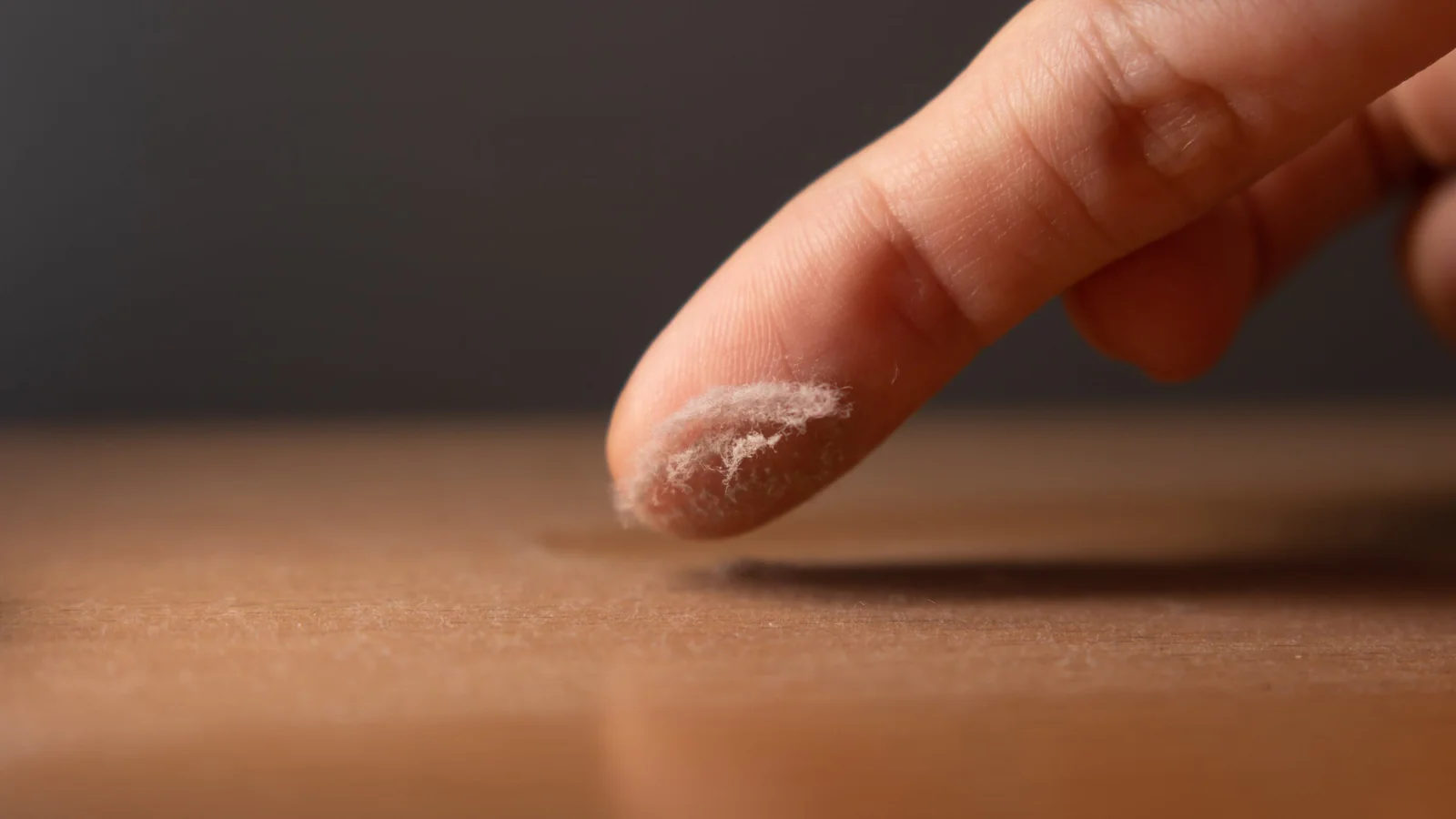
Furniture is more than décor—it’s an investment that shapes comfort, style, and functionality in a space. While dusting may seem like a minor household chore, regular dust removal plays a critical role in preserving furniture quality, appearance, and lifespan. Ignoring dust buildup can quietly cause long-term damage that is often expensive or impossible to reverse.
The Hidden Nature of Household Dust
Dust is not just harmless dirt. It is a complex mixture of microscopic particles that include:
-
Dead skin cells
-
Fabric fibers
-
Pollen and outdoor pollutants
-
Pet dander
-
Fine sand and soil particles
When these particles settle on furniture surfaces, they act as abrasive agents, especially on polished or finished materials.
How Dust Damages Furniture Over Time
Micro-Scratches and Surface Wear
Fine dust particles behave like sandpaper. Each time a surface is touched or wiped improperly, dust can create tiny scratches that dull finishes and weaken protective coatings.
Moisture Retention and Material Decay
Dust absorbs humidity from the air. On wood and metal furniture, this trapped moisture can lead to:
-
Wood swelling, warping, or cracking
-
Rust formation on metal components
-
Peeling or bubbling of painted finishes
Fabric and Upholstery Breakdown
On sofas, chairs, and cushions, dust settles deep into fibers. Over time, it causes:
-
Fabric thinning
-
Faded colors
-
Increased wear in high-use areas
Regular dusting prevents particles from embedding permanently into the material.
Dusting as a Preventive Maintenance Practice
Extending Furniture Lifespan
Consistent dusting helps maintain the structural integrity and finish of furniture. By removing abrasive particles early, surfaces remain smoother and more resilient for years.
Preserving Original Appearance
Furniture loses its visual appeal when dust layers build up. Routine dusting:
-
Maintains natural shine
-
Keeps colors vibrant
-
Prevents dull, chalky residue
Reducing Repair and Replacement Costs
Preventive care is always more affordable than restoration. Dusting minimizes the need for:
-
Refinishing wood
-
Reupholstering fabrics
-
Replacing corroded hardware
Different Furniture Materials and Dust Sensitivity
Wooden Furniture
Wood is highly sensitive to dust and humidity. Regular dusting protects:
-
Natural grain clarity
-
Protective varnish or polish layers
-
Joint stability and alignment
Glass and Glossy Surfaces
Dust on glass causes streaking and reduces clarity. Left unattended, it can lead to permanent etching when combined with moisture.
Metal Furniture
Dust mixed with air moisture accelerates oxidation. Routine cleaning helps prevent corrosion and discoloration.
Leather Furniture
Dust settles into leather pores, causing dryness and cracking. Gentle dusting keeps leather supple and breathable.
Best Practices for Effective Dusting
To maximize protection, dusting should be done correctly.
Recommended techniques include:
-
Using microfiber or soft cotton cloths
-
Dusting from top to bottom to prevent resettling
-
Avoiding dry paper towels that scratch surfaces
-
Cleaning at least once or twice a week in high-use areas
Consistency matters more than intensity. Gentle, frequent dusting is far more effective than occasional deep cleaning.
Health and Environmental Benefits
While furniture protection is the focus, dusting also improves indoor conditions by:
-
Reducing airborne allergens
-
Improving air quality
-
Creating a cleaner, more comfortable living environment
A well-maintained space benefits both furniture and the people using it.
Why Dusting Is Often Overlooked
Dust accumulates gradually, making damage easy to ignore. Because deterioration happens slowly, furniture owners may not notice issues until finish wear or material damage becomes visible. By then, preventive care is no longer an option.
Regular dusting works quietly in the background, preserving value before problems arise.
Conclusion
Regular dusting is not about aesthetics alone—it is a protective habit that safeguards furniture from gradual, irreversible damage. By removing abrasive particles, controlling moisture exposure, and maintaining material integrity, dusting ensures furniture remains functional, attractive, and durable for years. Small efforts, done consistently, deliver lasting results.
Frequently Asked Questions (FAQs)
How often should furniture be dusted for proper protection?
Most furniture should be dusted at least once a week, while high-traffic areas may require more frequent attention.
Can dust permanently damage furniture finishes?
Yes, prolonged dust buildup can cause micro-scratches, dull finishes, and weaken protective coatings over time.
Is dry dusting better than wet cleaning?
Dry dusting with microfiber cloths is ideal for routine care, while damp cleaning should be occasional and material-specific.
Does dusting help prevent furniture discoloration?
Regular dust removal prevents residue buildup that can trap moisture and pollutants responsible for fading and staining.
Are antique or delicate furniture pieces more vulnerable to dust?
Yes, older furniture often has thinner finishes and requires especially gentle, consistent dusting to avoid damage.
Can improper dusting tools harm furniture?
Rough cloths, paper towels, or feather dusters can spread dust or scratch surfaces instead of removing particles effectively.
Does indoor air quality affect how fast dust accumulates?
Yes, poor ventilation, pets, and high foot traffic increase dust levels, making regular dusting even more important.