

Unpleasant odors in the home are more than a nuisance—they often signal trapped moisture, bacterial growth, or lingering chemical compounds. Professional odor removal focuses on eliminating odors at the source, not masking them. By adopting expert-backed strategies, homeowners can restore clean indoor air and maintain a healthier living environment.
Understanding the Source of Household Odors
Before applying any solution, professionals identify the origin of the smell. Odors typically fall into these categories:
-
Organic odors from food, pets, mold, or smoke
-
Chemical odors from cleaning agents, paints, or synthetic materials
-
Environmental odors caused by humidity, poor ventilation, or stagnant air
Accurate identification ensures the right removal method is used, preventing recurring issues.
Professional-Grade Odor Removal Techniques
Deep Cleaning and Surface Decontamination
Odors cling to porous materials such as carpets, upholstery, and drywall. Professional cleaning methods focus on deep penetration.
-
Steam cleaning carpets and rugs to break down odor-causing bacteria
-
Hot-water extraction for upholstery and mattresses
-
Enzymatic cleaners to digest organic odor particles
Enzyme-based solutions are especially effective for pet and food-related odors.
Advanced Air Purification Methods
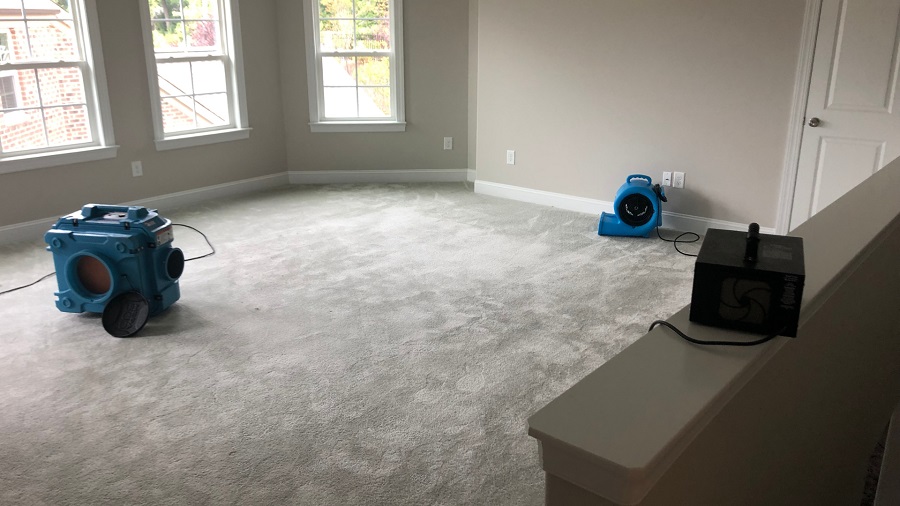
Professionals rely on air treatment systems that neutralize odors rather than covering them up.
-
HEPA air purifiers to capture airborne odor particles
-
Activated carbon filters to absorb gases and volatile compounds
-
Proper air circulation to prevent odor stagnation
These methods significantly improve indoor air quality when used consistently.
Moisture Control and Humidity Regulation
Excess moisture is a leading cause of musty odors and mold growth.
-
Dehumidifiers to maintain optimal humidity levels
-
Addressing leaks in walls, roofs, and plumbing
-
Ensuring bathrooms and kitchens are properly ventilated
Keeping humidity under control stops odors before they form.
Ozone and Hydroxyl Treatments (Used with Caution)
Professional odor specialists sometimes use ozone or hydroxyl generators to break down odor molecules at a chemical level.
-
Effective for smoke, mildew, and severe odor contamination
-
Requires strict safety guidelines during use
-
Best suited for unoccupied spaces
These treatments should be applied carefully and sparingly in residential settings.
Room-Specific Odor Removal Strategies
Kitchen Odor Elimination
Kitchens trap grease and food odors that linger over time.
-
Clean exhaust hoods and filters regularly
-
Use baking soda or activated charcoal in cabinets
-
Deep-clean sinks and garbage disposals
Bathroom Odor Control
Persistent bathroom odors often indicate hidden moisture or bacteria.
-
Disinfect grout and tile joints
-
Clean drains with enzyme solutions
-
Improve airflow with exhaust fans
Living Areas and Bedrooms
Soft furnishings in common areas absorb odors easily.
-
Wash curtains, cushion covers, and throws
-
Vacuum with odor-neutralizing powders
-
Rotate and air out furniture when possible
Preventive Measures Professionals Recommend
Odor removal is most effective when combined with prevention.
-
Take out trash daily and clean bins weekly
-
Remove shoes at entry points
-
Open windows regularly for natural ventilation
-
Use mild, non-toxic cleaning agents
Consistent habits reduce the likelihood of odors returning.
When to Consider Professional Odor Removal Services
If odors persist despite thorough cleaning, professional intervention may be necessary.
-
Smoke damage after a fire
-
Severe pet odor saturation
-
Mold-related smells within walls or HVAC systems
Professionals use diagnostic tools and industrial-grade treatments that go beyond household solutions.
Frequently Asked Questions
What is the most effective professional method for odor removal at home?
The most effective method depends on the odor source, but enzymatic cleaning combined with air purification delivers reliable, long-lasting results.
Are professional odor removal techniques safe for families and pets?
Yes, when applied correctly. Non-toxic enzymes and air filtration methods are safe, while ozone treatments require temporary vacancy.
How long does professional odor removal last?
When the source is fully eliminated and preventive steps are followed, results can last indefinitely.
Can odors return after professional treatment?
Odors may return if the underlying cause—such as moisture or poor ventilation—is not addressed.
Is odor removal different from deodorizing?
Yes. Odor removal neutralizes or destroys odor molecules, while deodorizing only masks smells temporarily.
Do air fresheners help with long-term odor control?
Air fresheners provide short-term relief but do not resolve the root cause of odors.
How often should professional odor removal be done?
Most homes only need it occasionally, typically after major odor events like smoke exposure or water damage.