

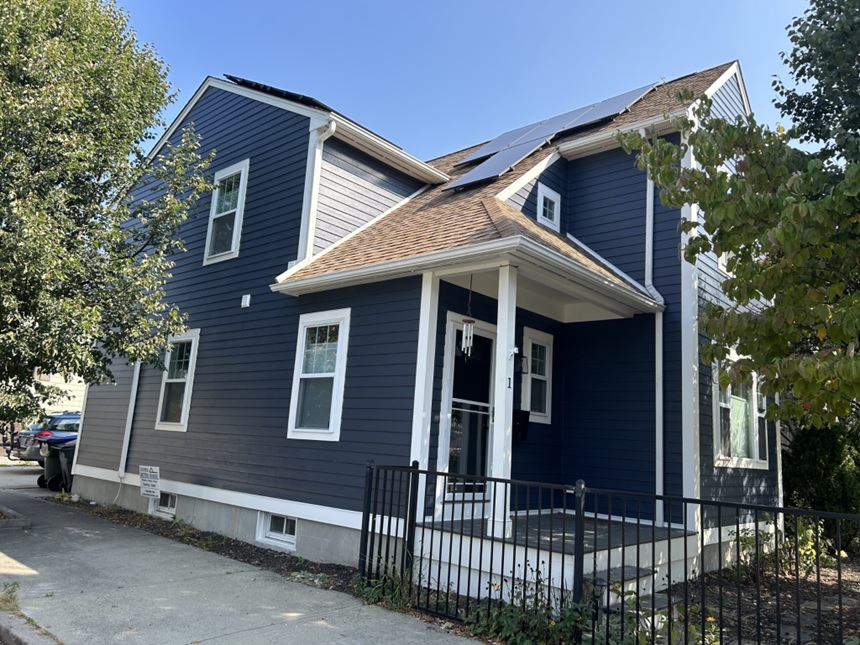
Siding covers such a large portion of a house that changing it can completely alter the way the property looks from the street. But appearance is only one part of the project. Siding also interacts with windows, doors, trim, rooflines, and other exterior components that need to be considered during planning. Approaching siding installation in Rhode Island as a complete exterior project can help homeowners make choices that complement both the architecture and the practical needs of their property.
Homeowners beginning to explore exterior improvements can visit https://unitedbetterhomes.com/ to learn more about professional home improvement services. Before selecting siding, it can be helpful to walk around the entire property and identify existing deterioration, architectural details worth preserving, and other exterior projects planned for the future. These observations can provide a clearer direction for the project before materials and colors are selected.
Start by Looking Beyond the Front of the House
Most homeowners naturally focus on the front elevation because it creates the first impression.
However, siding surrounds much more of the property.
Side walls may receive different levels of sunlight and weather exposure. The rear of the home may include decks, patios, additions, or utility connections that influence installation. Areas hidden behind landscaping can also have conditions that are less noticeable during everyday life.
Walking around the complete exterior helps homeowners understand how different sections have aged.
It can also reveal whether previous additions or repairs created differences that should be considered when planning the new exterior.
Color Looks Different Across a Large Surface
A siding sample is relatively small compared with the wall of a house.
A color that looks subtle on a sample can appear significantly different once it covers hundreds of square feet. Sunlight, shade, nearby landscaping, roofing materials, and neighboring colors can all affect how the finished exterior appears.
Homeowners planning siding installation in Rhode Island can compare samples outside rather than relying entirely on indoor lighting.
Looking at them at different times of day can also be useful.
The goal is not necessarily to find the trendiest color. A siding choice that complements the architecture and other permanent exterior materials may remain visually appropriate for much longer.
Windows and Doors Become Part of the Design
New siding changes the visual background around windows and doors.
That means existing frame colors, trim, shutters, and entry doors may look different once the surrounding wall is updated.
Before choosing siding, homeowners can consider which exterior features will remain.
A bold front door might become an intentional focal point against a quieter siding color. Decorative window trim may become more noticeable when contrasted with the main exterior.
If window or door replacement is already planned, homeowners can coordinate these decisions rather than treating each improvement as a separate design project.
Architectural Details Should Not Disappear
Homes often have small exterior features that give them character.
Gable areas, trim boards, porch columns, transitions between materials, and other details can contribute to the property’s architectural identity. A siding project provides an opportunity to decide whether these features should remain subtle or become more prominent.
Homeowners can identify which details they like before installation begins.
This helps prevent the new exterior from becoming visually flat or unintentionally covering elements that contribute to the original design.
The objective should be a finished appearance that feels deliberate rather than simply newly covered.
Existing Materials Need to Be Evaluated
The condition beneath and around existing siding matters.
Depending on the project, removal may reveal areas that were previously hidden from view. Deterioration or other concerns may need attention before new materials are installed.
Homeowners should ask how these discoveries will be handled.
Understanding what is included in the proposed scope and what happens if additional work is necessary can prevent confusion once siding installation in Rhode Island is underway.
This is particularly important on older homes where the complete condition of concealed areas may not be visible during the initial evaluation.
Exterior Fixtures Require Planning
Walls contain more than siding.
Outdoor lights, electrical outlets, faucets, vents, utility equipment, house numbers, cameras, and other fixtures can all interact with the exterior surface.
Before installation, homeowners can walk around the property and identify these features.
Some may need temporary removal or special attention while the siding is installed. Homeowners who have been considering replacing outdated exterior lights or house numbers may also decide that the siding project is a convenient time to make those updates.
Planning these details early can create a cleaner finished appearance.
Landscaping Can Affect Access
Shrubs and other plants located close to the house may make portions of the exterior difficult to reach.
Contractors need sufficient access to remove existing materials when required, prepare surfaces, install siding, and complete trim work.
Homeowners can ask how much clearance is needed before the project starts.
Portable planters and outdoor decorations can usually be relocated easily, while mature landscaping may require more thoughtful planning.
Discussing these conditions before installation allows homeowners and contractors to establish reasonable expectations about access and protecting important landscaping.
Think About Gutters and Rooflines
The upper portions of siding meet roof edges, soffits, fascia, gutters, and other exterior components.
Their colors and condition can influence the final appearance of the project.
If gutters or related components are already scheduled for replacement, coordinating the work may make sense. Homeowners should also consider whether existing colors will complement the new siding.
These details can seem minor when selecting materials, but they become much more visible once a large exterior surface has been updated.
Considering the entire elevation helps create a more cohesive result.
Maintenance Expectations Should Influence the Choice
Every exterior material requires some level of care.
Before choosing a product, homeowners should understand what routine maintenance may be recommended. Cleaning methods, inspection needs, and manufacturer guidance can vary depending on the material.
Homeowners should think realistically about how much exterior maintenance they want to manage.
A beautiful finish is more useful when its care requirements fit the household’s long-term expectations.
During siding installation in Rhode Island, homeowners can also ask what signs they should watch for after the project is complete so that small maintenance concerns can be addressed appropriately.
Coordinate Future Exterior Improvements
Siding can remain part of the home through several other renovation projects.
A roof may eventually be replaced. New windows could be installed. A porch might be renovated, or an addition could change one side of the house.
Homeowners do not need to complete every project at once, but considering future plans can help them make siding choices that remain flexible.
Neutral or complementary combinations may provide more freedom when selecting future materials.
The sequence of projects can also matter, particularly when one improvement could affect recently completed exterior work.
Let the Entire House Guide the Siding Decision
A siding project can dramatically refresh a property’s appearance, but the best results come from considering more than the wall surface itself. Windows, doors, trim, rooflines, fixtures, landscaping, existing materials, and future renovations all influence how the finished exterior comes together. Thoughtful siding installation in Rhode Island can respect the home’s existing character while creating a cleaner and more coordinated appearance.
For homeowners planning siding installation in Rhode Island, United Better Homes can evaluate the existing exterior and discuss siding options based on the property’s design and project goals. Looking at the home as one complete exterior system can help homeowners choose an update that feels intentional from every side of the property.