

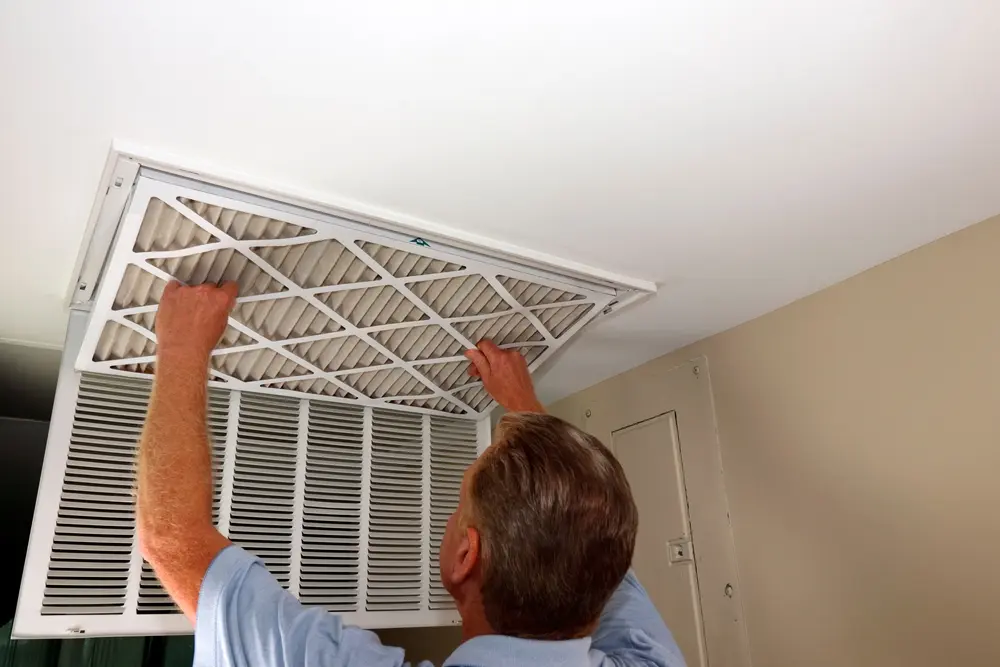
When people think about air conditioner maintenance, they often focus on refrigerant levels, strange noises, or whether the system is cooling efficiently. Yet one of the simplest components inside an air conditioning system can have a surprisingly large effect on comfort, efficiency, and indoor air quality: the air filter. A clean, properly fitted filter helps an AC system operate as intended, while a neglected one can contribute to restricted airflow and unnecessary strain. For homeowners who need reliable home air conditioning services, understanding the role of filters is an important part of keeping a cooling system in good condition.
What Does an Air Conditioner Filter Actually Do?
An air conditioner filter sits within the return-air path of the HVAC system. As indoor air is pulled toward the system, the filter catches airborne particles before the air reaches the equipment and is circulated back through the home.
Depending on the filter type, it may capture dust, pollen, pet hair, lint, and other airborne particles. This serves two purposes. First, it helps keep the air circulating through the home cleaner. Second, it helps prevent debris from accumulating on internal components of the HVAC system.
The filter is therefore more than a disposable accessory. It is part of the system’s basic protection and airflow process.
A Dirty Filter Can Restrict Airflow
One of the biggest problems caused by an overloaded filter is restricted airflow. As dust and debris build up, air may have a harder time passing through the filter.
An AC system is designed around a particular amount of airflow. When that airflow is reduced, the equipment may have to work harder to move conditioned air through the home. You might notice weaker airflow from vents, rooms that take longer to cool, or a system that seems to run for extended periods.
Restricted airflow can also affect how consistently the system distributes cooling. Some areas may feel comfortable while others remain warmer than expected. In many cases, homeowners may initially suspect a larger mechanical problem when the filter is actually one of the first things worth checking.
Filters Can Affect Energy Efficiency
Air conditioning already represents a significant portion of many homes’ summer energy use. A clogged filter can make the system’s job more difficult by restricting the movement of air.
When an AC unit struggles to maintain the desired indoor temperature, it may operate for longer periods. That additional runtime can contribute to higher energy consumption. Replacing or cleaning the filter according to the manufacturer’s recommendations is a relatively simple maintenance step that can help support efficient operation.
This does not mean a new filter will automatically reduce every household’s energy bill. Overall efficiency depends on factors such as equipment condition, system size, insulation, outdoor temperature, thermostat settings, and ductwork. However, maintaining proper airflow is an important piece of the larger efficiency picture.
Your Indoor Air Quality Depends on the Right Filter
Air filters can also influence the quality of the air moving throughout your home. A suitable filter can capture a portion of the airborne particles that would otherwise continue circulating.
However, choosing the most restrictive filter available is not necessarily the best approach. Filters have different efficiency ratings and are designed for different applications. A filter that is too restrictive for a particular HVAC system may reduce airflow and create its own problems.
Homeowners should follow the equipment manufacturer’s recommendations when selecting a replacement. If you’re unsure which filter is appropriate, an HVAC professional can help determine what type and rating are suitable for the system.
How Often Should You Change an AC Filter?
There is no single replacement schedule that works for every household. Filter life depends on several factors, including the type of filter, the size of the home, the number of occupants, pets, local air conditions, and how frequently the AC system operates.
Some filters may need to be replaced monthly, while others are designed to last longer. Rather than relying solely on a calendar reminder, homeowners can periodically inspect the filter. If it looks visibly dirty or clogged, it may be time for a replacement.
It’s also important to install the filter correctly. Most filters have an airflow arrow printed on the frame. That arrow should point in the direction the air travels through the system. A filter installed backward may not perform as intended.
Signs Your Filter May Need Attention
A dirty filter does not always announce itself with an obvious warning. Still, several signs can indicate that it deserves inspection.
These may include:
● Reduced airflow from supply vents
● Longer cooling cycles
● Uneven temperatures between rooms
● Increased dust around the home
● An AC system that seems to be working harder than usual
● A filter that appears visibly gray, dusty, or clogged
None of these symptoms automatically means the filter is the cause. Airflow issues, duct problems, thermostat concerns, and mechanical faults can produce similar symptoms. Checking the filter is simply a sensible first step because it is easy to inspect and maintain.
Don’t Ignore the Rest of the AC System
A clean filter cannot compensate for every maintenance issue. Air conditioners contain multiple components that need to work together, including coils, fans, electrical components, drainage systems, and refrigerant circuits.
Regular professional maintenance can help identify developing problems before they become more disruptive. During a service visit, a technician can evaluate system performance and look for issues that are not apparent during a basic homeowner inspection.
Filter maintenance should therefore be viewed as one part of responsible AC care rather than a substitute for professional attention when the system shows signs of trouble.
Conclusion
Air conditioner filters are easy to overlook precisely because they are simple. They do not have the complexity of a compressor or the visibility of an outdoor condenser, but they play an important role in maintaining airflow and protecting the system from airborne debris.
Checking the filter regularly, replacing it when necessary, and choosing the correct type for the equipment can help support comfortable and dependable cooling. If airflow problems or other AC concerns continue even after a filter replacement, professional evaluation can help determine whether a deeper issue is present.
In other words, an air filter may be a small component, but paying attention to it is one of the simplest ways homeowners can contribute to the health and performance of their air conditioning system.