

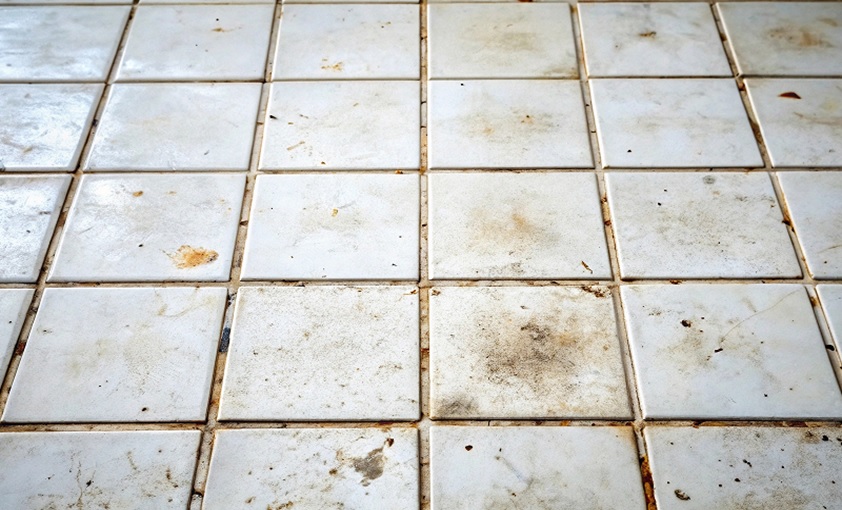
Completing a fresh tiling project brings immense satisfaction, whether you renovate a kitchen splashback or upgrade an ensuite bathroom. Crisp, clean joints frame your tiles beautifully and tie the entire room design together. However, enthusiasm to finish the job often leads homeowners and inexperienced tradespeople into a critical mistake: applying protective coatings far too early. Cementitious grout requires substantial curing time to purge internal water and achieve optimal structural hardness. When you rush the final finishing stage, you risk turning a beautiful renovation into an expensive repair headache. Understanding the chemical and physical reactions that occur beneath the surface of a grout sealant helps you protect your investment.
Locking in Moisture and Creating Stubborn Efflorescence
Cement-based grout mixtures rely on water to activate their binding agents, but this moisture must evaporate steadily over forty-eight to seventy-two hours. Brushing a topical or penetrating barrier over damp lines traps residual water droplets within microscopic cement capillaries.
Preventing natural evaporation triggers a frustrating cosmetic defect known as efflorescence:
- Mineral Migration – Trapped moisture dissolves soluble salts deep within the cement mixture and pushes them toward the surface as vapour attempts to escape.
- Chalky White Residue – These migrating mineral salts crystallise directly underneath the sealed barrier, creating persistent white crusts and blotchy discolouration.
- Cloudy Film Formation – The sealant solution reacts chemically with trapped surface dampness, curing into an opaque, milky haze instead of a crystal-clear protective shield.
- Uneven Joint Colour – Trapped moisture prevents uniform pigment curing, leaving your grout lines looking permanently damp, blotchy, and patchy.
Once a coat of grout sealant traps this mineral haze beneath its membrane, standard household scrubbing will not remove it. You must chemically strip the protective layer completely before addressing the underlying stains.
Breeding Hidden Mould and Weakening Joint Integrity
Bathrooms and kitchens already experience high ambient humidity. Sealing wet jointing material creates a dark, moist incubator ideal for microbial growth. Trapped fungal spores multiply rapidly beneath the waterproof film, causing black mould spots that burrow deep into the cement matrix.
Furthermore, curing cement requires a balanced drying environment to achieve full mechanical compression strength. Encapsulating excess water inside the joints prevents the cement crystals from interlocking securely. Instead of setting into a stone-like density, the material remains soft, porous, and friable. Over subsequent weeks of normal foot traffic, weak joints crumble into powdery grit, compromising your tiled floor’s structural foundation.
Comparing Restoration Headaches with Waterproof Alternatives
Rectifying compromised, prematurely sealed joints demands substantial manual labour. Homeowners must apply harsh solvent strippers to dissolve the ruined barrier, allow the joints to dry thoroughly, and frequently scrape out crumbling cement using oscillating tools.
Because traditional cement-based materials absorb water easily and demand strict curing timetables, many property owners now investigate non-porous epoxy formulations. Current epoxy grout prices reveal that resin-based systems command a higher initial material outlay than basic bagged cement. However, epoxy formulations cure through a chemical reaction rather than water evaporation, eliminating moisture haze and sealing requirements entirely.
When you factor future restoration expenses, cleaning supplies, and recurring resealing costs into the equation, competitive epoxy grout prices often represent a much smarter long-term investment for wet areas.
Establishing Safe Curing Timelines Before Protection
Patience safeguards your tiles from costly restorative repairs. Always follow the manufacturer’s technical data sheets regarding drying windows, rather than relying on how dry the surface appears to the naked eye. While grout may feel dry to the touch within a few hours, deep moisture remains inside the joints for days.
Allow traditional cement joints to dry for a minimum of forty-eight to seventy-two hours in dry, well-ventilated rooms before applying any protective treatment. For humid spaces, basement utility rooms, or unventilated shower enclosures, extend this waiting window to five full days.
Positioning portable electric fans or dehumidifiers inside the room accelerates air movement and draws out lingering internal dampness safely. Ensuring complete dryness allows protective solutions to penetrate deeply into the pores, creating an impenetrable barrier against everyday dirt, spills, and grease.
Safeguard Your Tiled Spaces with Professional Care
Allowing adequate curing time protects your tile installation from mineral bloom, premature crumbling, and mould infestation. Approaching tile care with methodical patience preserves crisp, pristine joints that withstand years of daily use.
Inspect your existing tile joints today, verify proper curing windows, and give your home the durable protection it deserves.
Frequently Asked Questions
How long should I wait before applying a protective coating to new cement grout?
Wait at least 48 to 72 hours under normal indoor conditions, or up to five days in humid environments, before applying any protective barrier.
How do I test if my grout is dry enough to seal?
Tape a small square of clear plastic wrap tightly over a grout line overnight; if condensation droplets appear underneath the plastic by morning, moisture remains trapped inside.
Can I fix a cloudy haze without scraping out the joints?
You must strip the top protective coating with a specialised solvent stripper to release the trapped moisture and clean away salt deposits before resealing the dry joints.
For skilled specialists who deliver professional recolouring, deep restoration, and advanced jointing solutions designed to keep your tiled spaces immaculate, contact Grout ProTech today.