

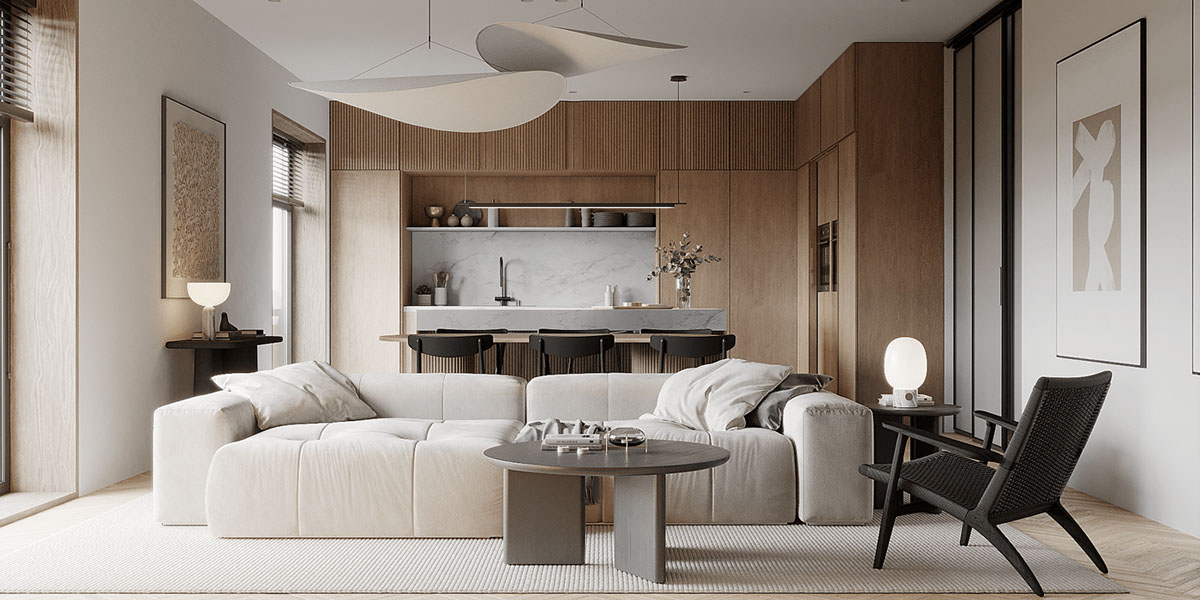
The Interior of a home or commercial space affects how people feel, move, think, and interact within it. When planned thoughtfully, the Interior becomes a catalyst for comfort, productivity, emotional balance, and long term usability. Many property owners begin redesign projects with aesthetic goals, but the deepest value of interior design comes from purposeful transformation that blends function, structure, and human behavior. By understanding how an Interior influences daily life, homeowners and businesses can create environments that support well being, efficiency, and lasting appeal.
Modern lifestyles demand more flexibility and adaptability from indoor environments. As people work, learn, socialize, and relax in the same space, the need for thoughtful design solutions grows. This shift makes the Interior a key factor in supporting changing routines, advancing technology, and evolving cultural expectations.
Understanding the Core Purpose of Interior Design
Interior design is far more than furniture selection or color styling. It involves a comprehensive approach to shaping space in ways that respond to human needs, technical standards, and architectural characteristics.
Interior Design as a Functional Discipline
Interior design focuses on optimizing how a space performs. Every detail creates a functional outcome. This includes:
- Strategic space planning
- Proper circulation patterns
- Lighting that supports specific tasks
- Ergonomic decisions that enhance comfort
- Material selections that match usage patterns
An effective interior designer prioritizes long term usability. A space that looks good but lacks functional organization will quickly become frustrating to navigate.
The Psychological Impact of Interior Space
Interiors strongly influence human psychology. Color selection, lighting levels, ceiling height, textures, and spatial organization affect mood and cognitive processes. For example:
- Warm tones can create intimacy
- Cool tones often promote calm thinking
- Soft textures help reduce stress
- Minimal clutter supports mental clarity
This connection between design and human behavior is one reason well planned interiors enhance productivity and relaxation.
Structural Considerations Behind Interior Improvements
Interior improvements should never focus only on appearance. Structural and architectural elements define the limits and capabilities of every design decision.
The Role of Load Bearing Walls and Structural Framing
Before altering a floor plan, it is essential to identify load bearing walls. Removing or modifying these walls requires engineered solutions that maintain structural strength. Ignoring these factors can lead to sagging floors, cracks, and serious safety issues.
Mechanical Systems as Design Foundations
Interior spaces are shaped by hidden systems such as:
- Electrical wiring
- HVAC ducts
- Plumbing lines
- Ventilation pathways
- Fire safety systems
Designers must work around these systems and upgrade them when necessary. For example, adding recessed lighting requires understanding electrical load capacity, while relocating a kitchen sink depends on drainpipe accessibility.
Flooring Subsystems and Stability
True flooring quality depends not only on surface materials but also on:
- Underlayment stability
- Moisture barriers
- Subfloor leveling
- Sound absorption layers
Proper preparation prevents squeaks, buckling, and long term structural issues.
Creating Functional Space Planning for Modern Lifestyles
Space planning is the backbone of interior design. It determines how movement flows and how activities are supported within a room.
Designing for Flow and Navigation
Good space planning eliminates obstacles and ensures easy movement across the room. Designers consider:
- Door swing patterns
- Furniture scale and placement
- Traffic routes that avoid tight spaces
- Visual corridors that feel open and inviting
Flow influences the perceived size of a room and its usability.
Multi Use Spaces for Flexible Living
The modern home must adapt to multiple activities. Flexible design strategies include:
- Movable partitions
- Furniture with multiple functions
- Built in workstations
- Fold away elements for compact spaces
Homes today often need to transform easily between working, relaxing, learning, exercising, and entertaining.
Lighting as a Critical Component of Interior Design
Lighting shapes mood, visibility, and energy usage. Every room needs a combination of lighting types to create balance.
Ambient Lighting
Ambient lighting provides overall illumination. It may include:
- Ceiling lights
- Recessed lighting
- Chandeliers
- Wall mounted fixtures
This lighting sets the base tone of the room.
Task Lighting
This lighting supports activities such as:
- Cooking
- Reading
- Working at a desk
- Grooming in a bathroom
Task lighting must be bright, focused, and positioned effectively.
Accent Lighting
Accent lighting highlights features like:
- Artwork
- Architectural details
- Shelving displays
- Decorative elements
Its purpose is to create visual interest and depth.
Material Selection and Durability in Interior Environments
Materials influence maintenance, lifespan, acoustics, and visual appeal. Choosing the right material requires understanding how each space is used.
Flooring Materials and Their Long Term Effects
Different flooring materials serve different purposes:
- Hardwood creates warmth and increases value
- Tile offers durability and water resistance
- Luxury vinyl provides affordability and resilience
- Carpet contributes acoustic comfort
Material choice should match foot traffic levels, moisture exposure, and cleaning needs.
Wall and Ceiling Finishes
Wall finishes reflect both style and practicality. High traffic areas may require:
- Stain resistant paint
- Washable surfaces
- Textured finishes that hide imperfections
Ceilings influence acoustics and brightness. Light colors create openness while textured ceilings help sound absorption.
Countertops and Surface Materials
Counters in kitchens, bathrooms, and workspaces must resist heat, scratches, and impact. Materials include:
- Quartz for durability
- Natural stone for visual appeal
- Solid surface composites for easy maintenance
Each option has distinct strengths.
Interior Color Theory and Its Influence on Human Behavior
Color plays a powerful role in shaping mood and perception. Effective color strategies consider natural light exposure, room function, and emotional intent.
Warm Colors
Warm colors like red, orange, and yellow create energy and intimacy. They work well in:
- Dining rooms
- Social spaces
- Activity zones
Cool Colors
Cool colors like blue and green promote calm and concentration. Ideal for:
- Bedrooms
- Offices
- Reading areas
Neutral Palettes
Neutral colors support versatility and sophistication. They provide a backdrop for bold accent pieces and give rooms timeless appeal.
Furniture Selection and Ergonomics
Furniture impacts posture, comfort, and the usability of the space.
Scaling Furniture to Room Size
Furniture must be proportionate to the room. Oversized pieces create overcrowding, while undersized furniture can make a space feel sparse and uncomfortable.
Ergonomic Considerations
Ergonomic design improves health and reduces strain. This includes:
- Adjustable task chairs
- Supportive mattresses
- Proper seat heights
- Lumbar support features
Ergonomics is especially important in home offices.
Storage Integration
Clutter disrupts visual order. Interior design encourages:
- Built in cabinetry
- Under stair storage
- Closet organizers
- Hidden shelving solutions
These features promote clean and efficient living.
Acoustics and Sound Control Inside the Home
Noise levels affect comfort and productivity. Good acoustic design uses materials and layout strategies to manage sound.
Reducing Noise Transfer Between Rooms
Soundproofing strategies include:
- Insulated wall cavities
- Solid core doors
- Acoustic panels
- Thick carpets or rugs
These elements prevent noise from traveling.
Improving Interior Room Acoustics
Improvements include:
- Soft materials to absorb sound
- Diffusers to scatter noise
- Ceiling baffles in large rooms
These methods support clear communication and a calm environment.
Smart Technology Integration in Interior Spaces
Modern interiors incorporate digital systems that enhance convenience and efficiency.
Smart Lighting Systems
Automated lighting offers:
- Custom brightness levels
- Scheduled on and off cycles
- Voice activation
Smart lighting improves energy use and user experience.
Climate and Air Quality Control
Smart thermostats and purifiers create healthier environments. They adapt automatically to patterns in temperature, occupancy, and humidity.
Security Integration
Interior technology may include:
- Indoor cameras
- Motion sensors
- Smart locks
These additions protect residents and their belongings.
Sustainability and Eco Friendly Interior Solutions
Environmentally conscious interiors reduce waste, improve air quality, and support long term wellbeing.
Low VOC Materials
Low VOC paints, adhesives, and finishes reduce harmful emissions and improve indoor air quality.
Energy Efficient Fixtures
LED lighting, efficient windows, and smart appliances lower energy consumption and reduce long term costs.
Recycled and Natural Materials
Recycled metal, reclaimed wood, and natural fibers give character to a space while minimizing environmental impact.
Frequently Asked Questions
How do I know if my interior layout is inefficient?
Signs include difficulty moving through rooms, overcrowded walkways, poorly lit areas, and furniture that does not match the space. If daily tasks feel inconvenient, the layout likely needs revision.
What interior improvements give the biggest boost to comfort?
Lighting upgrades, ergonomic furniture, improved storage, and sound control tend to create immediate and noticeable comfort improvements. These changes influence daily routines and overall relaxation.
How often should an interior be updated?
A functional interior does not require constant renovation. Most homes benefit from updates every 8 to 12 years, depending on wear, technology changes, and evolving lifestyle needs.
Can interior design improve productivity in a home workspace?
Yes. Proper lighting, ergonomic seating, reduced noise, and organized layouts significantly improve focus and efficiency. A well designed workspace can also reduce physical strain.
What is the best approach for balancing style with durability?
Choose long lasting materials in high traffic areas and use decorative accents for style. Durable surfaces form the foundation, while accents can be changed easily over time.
If you want a tailored guide for small spaces, luxury interiors, commercial environments, or adaptive home layouts, I can create specialized versions as well.