

Every homeowner wants a clean, comfortable, and welcoming place to live. While many people think of pest control as something that is only necessary when insects or rodents appear, the best approach is to create a home environment where pests are unlikely to survive in the first place. Simple daily habits and regular home maintenance can naturally reduce the conditions that attract pests and help keep the home protected throughout the year.
Pests enter homes because they are searching for basic necessities. They need food, water, shelter, and safe places to reproduce. When these resources are limited, pests are much less likely to remain inside. This is why creating a clean and well-maintained home is one of the most effective pest control strategies.
The kitchen is one of the most important places to begin. Since food is prepared and stored there every day, it can easily attract pests if cleanliness is neglected. Wiping countertops after meals, sweeping the floor, and cleaning under appliances remove food particles that might otherwise attract insects.
Food should always be stored carefully. Dry goods such as rice, flour, pasta, cereal, sugar, and snacks should be transferred into airtight containers after opening. Fresh fruits and vegetables should also be checked regularly to ensure they do not become overripe while sitting on the counter.
Moisture control is another essential part of maintaining a pest-resistant home. Leaking faucets, damaged pipes, and standing water provide pests with a dependable water source. Homeowners should inspect plumbing regularly and repair leaks as soon as they are discovered. Keeping bathrooms, kitchens, and laundry rooms dry greatly improves pest control efforts.
Every homeowner can strengthen pest control by following a few simple habits:
- Clean food preparation and dining areas every day.
- Store groceries and pet food in sealed containers.
- Repair leaks and remove standing water without delay.
Organization also plays an important role. Cluttered rooms create hidden spaces where pests can remain undisturbed. Garages, attics, basements, and closets should be organized regularly so that belongings are easy to inspect and clean around. Removing unnecessary clutter reduces the number of places where pests can hide.
Doors and windows should be inspected several times a year. Small cracks, worn weather stripping, or damaged screens may provide entry points for insects and rodents. Repairing these openings before pests discover them is an effective preventive measure.
The outside of the home is just as important as the inside. Overgrown bushes, tree branches touching the roof, and piles of leaves around the foundation create ideal hiding places for pests. Keeping the yard neat and trimming vegetation away from the house reduces outdoor pest activity and makes it harder for pests to enter.
Garbage management is another important factor. Indoor trash should be emptied regularly, especially when it contains food waste. Outdoor garbage bins should remain tightly closed and should be cleaned occasionally to remove food residue and odors that attract pests.
Routine inspections allow homeowners to detect problems early. Looking under sinks, inside cabinets, behind appliances, and around storage areas every few weeks may reveal signs of pest activity before an infestation becomes established. Early action saves time and helps avoid more serious problems.
Seasonal maintenance also contributes to long-term pest control. During warmer months, homeowners should inspect window screens and outdoor areas where insects become more active. Before colder weather arrives, checking the foundation, garage door, and utility openings helps prevent rodents from entering in search of warmth.
Family participation makes pest prevention even more effective. When everyone in the household helps clean up after meals, stores food properly, and reports maintenance issues, keeping the home pest-free becomes much easier. Small daily efforts from every family member create lasting results.
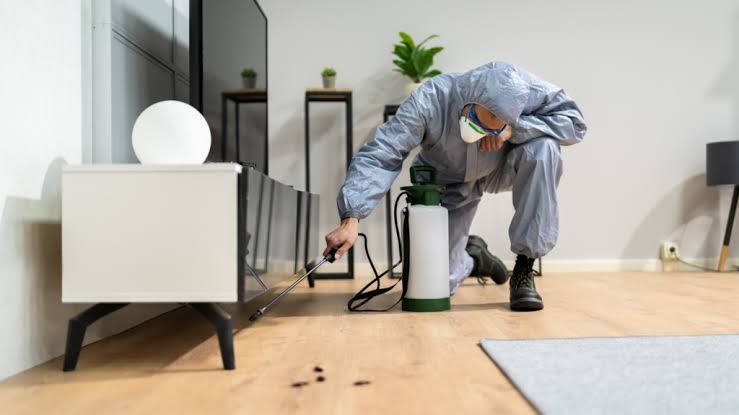
Professional pest control inspections can provide additional protection, especially for larger homes or properties with a history of pest activity. Specialists can identify hidden problem areas and recommend preventive solutions that support long-term home maintenance.
In conclusion, creating a home environment that naturally discourages pests is one of the best ways to maintain effective pest control. Clean living spaces, organized storage, proper food handling, moisture control, exterior maintenance, and routine inspections all work together to reduce the risk of infestations. By making these habits part of everyday home care, homeowners can enjoy a cleaner, healthier, and more comfortable home throughout every season.