

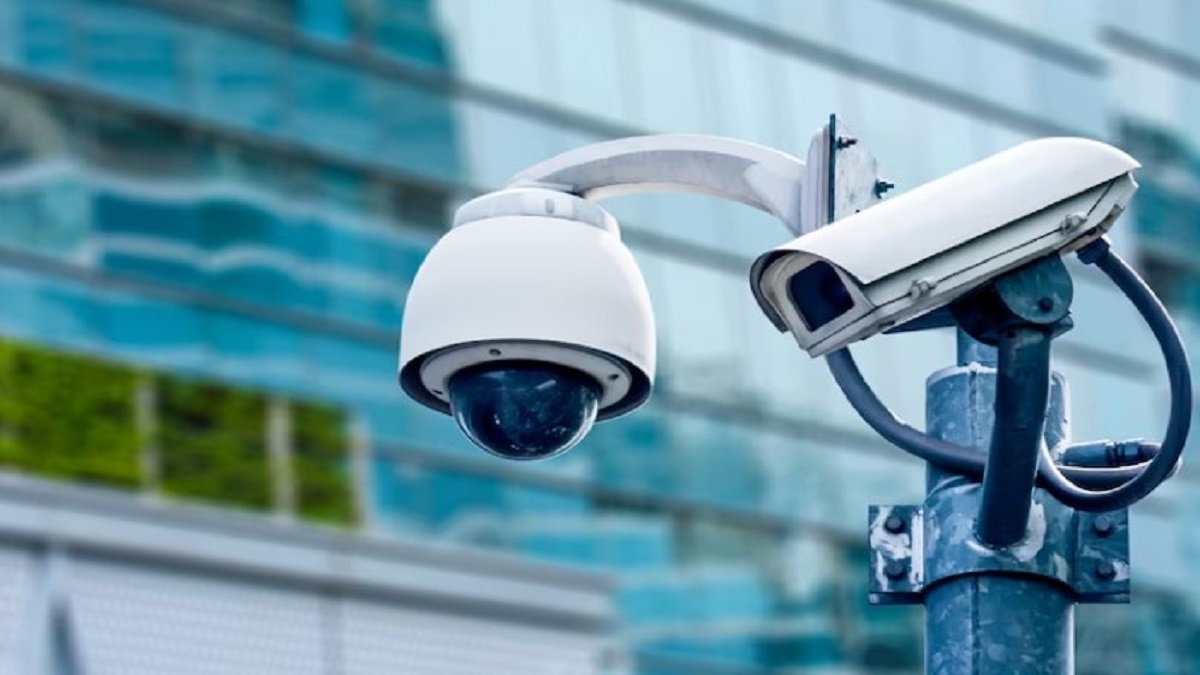
In today’s rapidly advancing world, security measures are evolving to address increasingly complex challenges. One of the most notable developments in surveillance technology is the integration of Artificial Intelligence (AI) into CCTV camera systems. AI-enhanced CCTV cameras represent a significant leap forward in security, offering capabilities far beyond traditional video monitoring. By utilizing machine learning, computer vision, and deep learning techniques, these intelligent systems are able to autonomously identify and respond to potential threats in real-time. This blog post will explore how AI-enhanced CCTV cameras work, the technologies behind them, and how they are transforming security operations in various industries.
1. Understanding AI-Enhanced CCTV Cameras
AI-enhanced CCTV cameras are not just passive recording devices; they are equipped with sophisticated algorithms and machine learning models that allow them to analyze video feeds in real-time. The cameras are capable of processing large amounts of data and detecting specific patterns, behaviors, or events that might indicate a potential threat. These systems can be trained to recognize a variety of scenarios, such as unauthorized access, unusual behavior, or intrusions into restricted areas.
By leveraging AI technology, these cameras are able to identify, assess, and respond to potential security risks without the need for constant human supervision. This reduces the burden on security personnel and allows for a more proactive approach to safety.
2. Key Technologies Behind AI-Enhanced CCTV Cameras
The ability of AI-enhanced CCTV cameras to detect potential threats relies on several key technologies. These include:
a. Computer Vision
At the core of AI-driven CCTV systems is computer vision, which enables the cameras to “see” and interpret visual data. Through advanced image processing techniques, computer vision allows the system to understand objects, people, and movements captured in video footage. This technology enables cameras to detect anomalies such as unauthorized persons entering restricted zones, abandoned objects, or movements that deviate from the norm.
b. Machine Learning and Deep Learning
Machine learning (ML) and deep learning (DL) are subfields of AI that enable CCTV cameras to continuously improve their ability to detect threats. These systems are trained on vast datasets of labeled images and videos, which allow them to learn to recognize specific patterns or behaviors associated with potential risks. For example, a deep learning model might be trained to identify when a person is loitering in a particular area or when an object has been left unattended.
The more data the system processes, the better it becomes at distinguishing between normal and suspicious behavior. In some cases, these systems can even adapt to new environments, learning to identify threats in different lighting conditions or unfamiliar settings.
c. Real-Time Analytics
AI-enhanced CCTV cameras are capable of analyzing footage in real-time, which means they can immediately detect potential threats as they occur. This allows for a faster response time and enables security teams to take action before an incident escalates. For instance, if the system detects a person trespassing in a restricted area, it can immediately trigger an alarm or send an alert to security personnel.
Real-time analytics also help reduce the time needed for post-incident review. Traditional CCTV systems require hours of footage to be manually reviewed, whereas AI-powered systems can automatically flag relevant footage for further investigation, streamlining the entire process.
3. How AI-Enhanced CCTV Cameras Identify Potential Threats
AI-enhanced CCTV cameras are designed to recognize various types of threats, from unauthorized access to suspicious behavior. Below are some of the key ways these systems identify potential risks:
a. Intrusion Detection
AI-powered CCTV cameras are equipped with intrusion detection capabilities that allow them to identify when an individual enters a restricted area. Through the use of motion detection, heat mapping, and object recognition, these cameras can distinguish between legitimate movement (e.g., employees accessing authorized spaces) and unauthorized activity (e.g., intruders breaking into a building or facility).
For instance, AI systems can be trained to recognize if a person is climbing over a fence or entering through a door outside normal hours. The system can then trigger an alarm and notify security personnel, allowing for immediate intervention.
b. Object Detection and Abandoned Objects
AI-enhanced CCTV cameras are also capable of identifying objects that are left unattended in specific areas. This feature is especially useful in high-risk environments such as airports, train stations, or public events, where abandoned bags or packages could pose a serious security threat.
The AI system can differentiate between ordinary objects and suspicious items based on shape, size, and location. If an object is detected in an unusual location or has been left unattended for a certain period of time, the camera can alert security personnel for further inspection.
c. Behavioral Analysis
AI can be used to monitor human behavior and detect patterns that may suggest a potential threat. This includes analyzing the pace of movement, body language, and activity patterns. For example, if an individual is seen loitering in an area for an extended period, behaving erratically, or moving in a manner that suggests they are trying to avoid detection, the system can flag this as suspicious behavior.
Behavioral analysis also helps detect unusual activities that might not be immediately apparent to a human observer. For instance, AI can analyze patterns of movement to identify when a group of people is congregating in an area where they shouldn’t be, such as around sensitive equipment or restricted zones.
d. Facial Recognition
Facial recognition technology is one of the most advanced applications of AI in CCTV systems. It allows cameras to identify individuals based on their facial features. This technology is useful for identifying suspects in criminal investigations, ensuring that only authorized personnel gain access to restricted areas, and even tracking the movements of specific individuals within a facility.
AI systems can cross-reference faces captured by the CCTV cameras with databases of known individuals, making it easier to identify potential threats, such as criminals or trespassers. In real-time, the system can alert security teams if a match is found, allowing for swift action.
e. Crowd Monitoring
AI-enhanced CCTV cameras can also monitor crowd behavior, which is particularly useful in public spaces or large events. These systems are capable of analyzing crowd size, movement patterns, and density to identify potential hazards. For example, a sudden surge in crowd density could indicate a stampede or violent altercation, prompting the system to alert authorities.
AI systems are capable of distinguishing between normal crowd activity and situations that might escalate into dangerous events, providing an extra layer of security during public gatherings.
4. Applications of AI-Enhanced CCTV Systems
The capabilities of AI-enhanced CCTV cameras have made them invaluable across various sectors. Some of the key applications include:
- Retail Security: Detecting shoplifting, loitering, and other suspicious activities in real-time, AI systems help retailers improve security and reduce losses.
- Critical Infrastructure: AI cameras help secure power plants, airports, and transportation hubs by detecting potential security breaches or hazardous activities.
- Public Safety: In public spaces, AI can monitor crowd behavior and detect anomalies that may suggest criminal activity or safety risks.
- Corporate Security: AI-powered cameras can protect sensitive areas in corporate offices, ensuring that only authorized personnel have access to secure locations.
5. The Future of AI-Enhanced CCTV Cameras
As AI continues to evolve, CCTV cameras are expected to become even more sophisticated. Future advancements may include better facial recognition accuracy, enhanced predictive capabilities, and the ability to detect more complex behaviors or emerging threats. With these advancements, AI-enhanced CCTV cameras will play a crucial role in creating safer environments, improving response times, and reducing reliance on manual monitoring.
AI-powered surveillance is reshaping the landscape of security, offering enhanced protection and smarter solutions for businesses, governments, and public safety organizations alike. As technology progresses, the role of AI in threat detection will continue to expand, ensuring a safer, more secure world.