

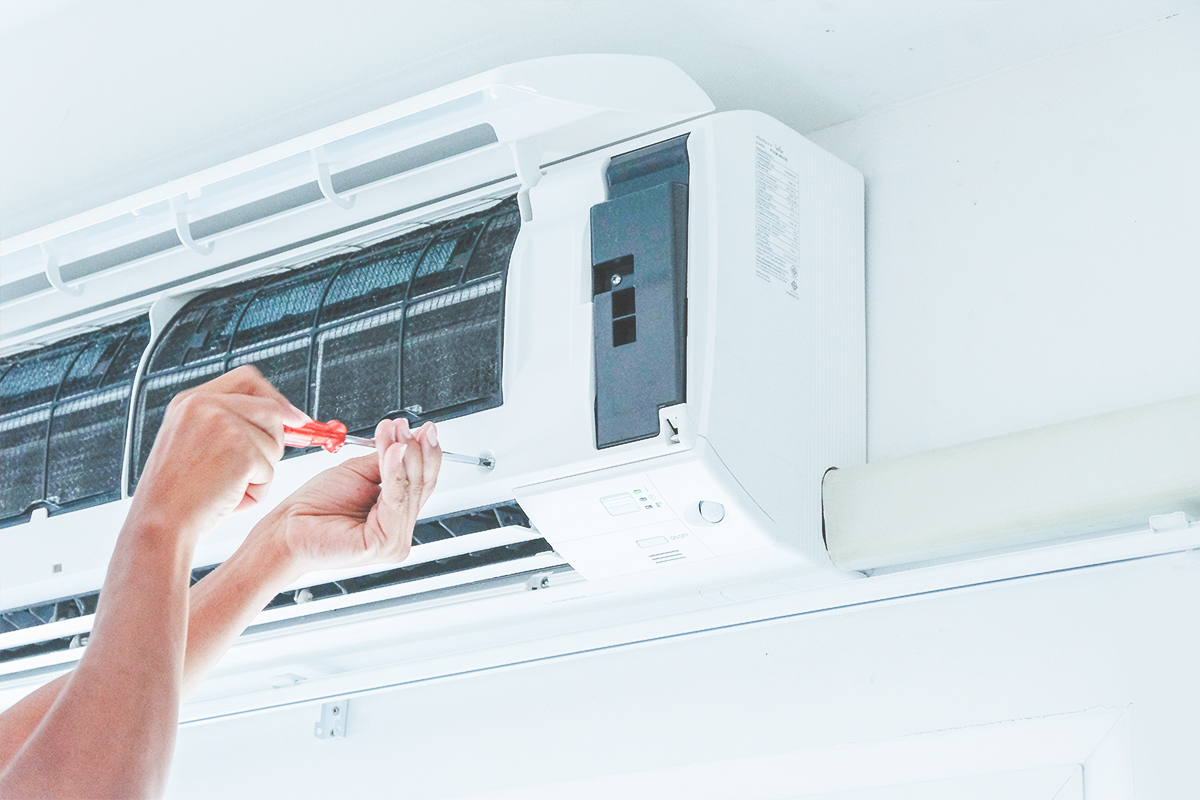
Installing a new air conditioning system is a major decision for any homeowner. With rising temperatures and growing energy costs, choosing the right cooling system has become more important than ever. Many people focus only on the upfront price, but long-term comfort, efficiency, and reliability matter just as much. A poorly chosen system can lead to higher utility bills, uneven cooling, and expensive repairs over time.
Before moving forward with a new system, homeowners should carefully evaluate several important factors that affect performance and overall value. Working with experienced professionals who specialize in AC installation in Bergen County, NJ can help ensure the system matches the property’s cooling needs and operates efficiently from the start.
Choosing the Right System Size
One of the most important aspects of installing a new air conditioning system is selecting the correct size. Many homeowners assume a larger system will cool the home better, but that is not always true. An oversized unit may cool rooms too quickly without properly removing humidity from the air. This can leave the home feeling damp and uncomfortable.
On the other hand, an undersized system may struggle to maintain consistent temperatures during hot weather. Proper sizing depends on factors such as square footage, insulation quality, ceiling height, window placement, and local climate conditions. Professional load calculations help determine the most suitable unit for long-term efficiency and comfort.
Ductwork Condition and Compatibility
Installing a new air conditioner without inspecting the existing ductwork can lead to performance issues. Older ducts may contain leaks, poor insulation, or airflow restrictions that reduce overall system efficiency.
In some homes, duct modifications or replacements may be necessary to properly support the new system. Ignoring ductwork problems can lead to uneven temperatures, energy waste, and increased strain on the air conditioner.
Experienced technicians performing AC installation in Bergen County, NJ often evaluate the entire cooling system rather than focusing only on the unit itself. This helps ensure proper airflow and consistent comfort throughout the property.
Understanding Energy Efficiency Ratings
Energy efficiency should play a major role in the decision-making process. Modern air conditioning systems offer significantly better efficiency than older units, helping homeowners reduce monthly electricity costs while improving indoor comfort.
SEER ratings, which stand for Seasonal Energy Efficiency Ratio, measure how efficiently an air conditioner operates throughout the cooling season. Systems with higher SEER ratings generally consume less energy. While high-efficiency units may cost more initially, they often provide long-term savings through lower utility bills and fewer maintenance issues.
Homeowners should also consider whether the system qualifies for local rebates, tax incentives, or energy-efficiency programs that help offset installation costs.
Evaluating Indoor Air Quality Features
Today’s air conditioning systems do more than cool the air. Many modern units include features designed to improve indoor air quality, which has become increasingly important for homeowners concerned about allergens, dust, and humidity.
Advanced filtration systems can help reduce airborne particles, while humidity control features improve comfort levels throughout the home. Some systems also include air purification technology that helps create a cleaner indoor environment.
Choosing a system with strong air-quality features can benefit households with children, elderly family members, or individuals with allergies or respiratory concerns.
Considering Long-Term Maintenance Needs
Every air conditioning system requires routine maintenance to operate properly. Before installation, homeowners should understand the ongoing care required to keep the system efficient and reliable.
Some systems have more complex components that may require specialized servicing. Others offer easier access for maintenance and repairs. Discussing maintenance expectations with an experienced contractor helps homeowners prepare for future service needs and avoid unexpected problems.
Reliable installation also plays a significant role in reducing future repair issues. Poor workmanship can shorten the system’s lifespan and reduce efficiency, even if the equipment itself is high quality.
Smart Thermostat Compatibility
Modern homeowners increasingly prefer smart home technology, and air conditioning systems are no exception. Many new systems integrate with smart thermostats, allowing users to control temperatures remotely via mobile devices.
Smart thermostats can improve efficiency by learning household routines and automatically adjusting cooling schedules. This not only increases convenience but can also reduce unnecessary energy consumption.
When selecting a new air conditioning system, it is worth considering whether the equipment supports smart controls and future technology upgrades.
Installation Quality Matters
Even the most advanced air conditioning system may perform poorly if installed incorrectly. Proper installation affects airflow, refrigerant levels, efficiency, and long-term reliability.
Choosing a qualified and experienced contractor is just as important as selecting the equipment itself. Homeowners should look for licensed professionals with strong local experience, positive reviews, and clear warranty information.
A professional installation ensures the system is properly calibrated, safely connected, and fully optimized for the home’s specific requirements.
Budget Beyond the Initial Cost
Many homeowners focus heavily on the purchase price when comparing systems, but installation decisions should also take into account long-term operating expenses. Lower-priced systems may cost more over time due to reduced efficiency, higher repair frequency, or shorter lifespan.
A higher-quality system with better efficiency and reliable installation may provide stronger overall value in the long run. Factoring in maintenance costs, energy savings, warranties, and expected durability helps homeowners make a more informed financial decision.
In Conclusion
Installing a new air conditioning system involves far more than simply choosing a unit and scheduling installation. Factors such as system size, efficiency, air quality features, ductwork condition, and installation quality all influence long-term comfort and performance. Taking the time to evaluate these details carefully can help homeowners avoid unnecessary costs while improving energy efficiency and indoor comfort for years to come.