

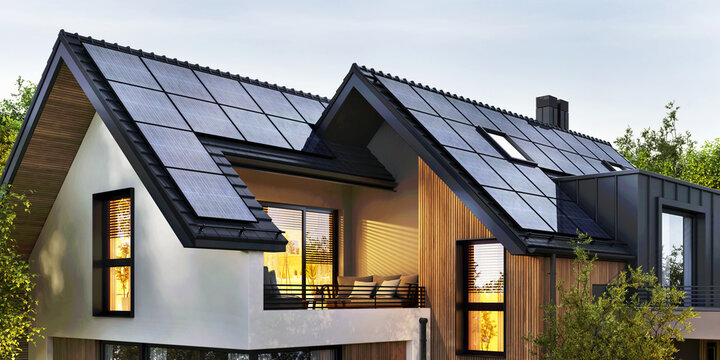
Solar energy has become one of the most influential technologies shaping the future of residential and commercial energy use. As families and businesses seek cleaner, more efficient, and more cost effective energy solutions, Solar power stands out as a long term investment that improves performance, reduces utility costs, and increases property value. Early interest in Solar typically begins with curiosity about lowering electricity bills, but a deeper look reveals that Solar is a complete system capable of transforming how a home interacts with its environment.
In the first stages of considering Solar installation, homeowners often focus on panel placement and aesthetics. Yet the true strength of Solar lies in the engineering behind the system, the quality of power conversion, the durability of components, and the long term economic value. This makes Solar not only a sustainable choice but also a strategic one for anyone planning to upgrade their property’s energy infrastructure.
Understanding How Solar Power Works
Solar power depends on advanced systems working together to capture sunlight and convert it into usable electricity. While panels receive the most attention, the system includes several critical components.
Photovoltaic Panels
These panels contain cells that convert sunlight into direct current electricity. Their efficiency depends on:
- The quality of photovoltaic materials
- The angle and placement relative to the sun
- Temperature resilience
- Anti reflective coatings that improve absorption
- Wiring that supports optimal energy flow
Premium panels produce more energy with less surface area, creating long term performance advantages.
Inverters and Power Conversion
Inverters convert the electricity from direct current to alternating current so it can be used by household appliances. Inverter quality affects:
- System efficiency
- Long term reliability
- Compatibility with battery storage
- Monitoring and performance tracking
Central inverters and microinverters each offer distinct advantages depending on roof structure and energy goals.
Mounting Systems
Mounting hardware secures panels to the roof or ground. Proper mounting is essential for:
- Enhancing panel lifespan
- Preventing wind uplift and water damage
- Maintaining proper ventilation
- Ensuring safety during storms
High quality mounting systems ensure that panels stay secure for decades.
Wiring and System Protection
Every Solar system relies on safe, efficient wiring. Proper installation prevents:
- Power loss
- Overheating
- Fire hazards
- Poor system communication
Electrical grounding and surge protection enhance long term safety.
The Architectural and Structural Considerations of Solar
Solar installation requires more than placing panels on a roof. It must integrate with the structural and electrical systems of a home.
Roof Condition and Suitability
Before installation, the roof must be evaluated for:
- Structural strength
- Age and expected lifespan
- Rafter spacing
- Existing wear or damage
Installing Solar on a failing roof leads to costly future repairs.
Sun Exposure Analysis
Energy production depends on sunlight access. Professionals evaluate:
- Roof orientation
- Seasonal sun patterns
- Shade from trees or nearby buildings
- Regional weather conditions
This analysis determines the best panel layout for maximum efficiency.
Electrical System Compatibility
Homes with outdated electrical panels may require upgrades. This ensures panels are safely integrated and compliant with local building codes.
Types of Solar Installations
Different Solar systems serve different purposes. Understanding each type helps homeowners choose the best solution for their needs.
Grid Tied Solar Systems
These systems connect directly to the utility grid. Benefits include:
- Lower installation costs
- Ability to sell excess energy
- High reliability
Grid tied systems are the most common for residential projects.
Off Grid Solar Systems
These systems operate independently from the grid. They require:
- Large battery storage
- High efficiency panels
- Backup generators in some cases
Off grid systems are ideal for remote areas or homeowners seeking energy independence.
Hybrid Solar Systems
Hybrid systems combine the advantages of grid tied systems and battery storage. They provide:
- Backup power during outages
- Greater control over energy usage
- Increased long term savings
Hybrid installations are growing in popularity due to their flexibility.
Environmental and Economic Advantages of Solar
Solar energy provides benefits far beyond reducing electricity bills.
Lowering Utility Costs
Solar panels reduce monthly expenses by generating free electricity. Some homeowners eliminate most of their electric bills entirely.
Increasing Property Value
Homes with Solar systems often sell faster and at higher prices due to:
- Lower operating costs
- Modern energy systems
- Improved home efficiency
Buyers appreciate future savings and reduced reliance on the utility grid.
Reducing Carbon Footprint
Solar energy significantly reduces environmental impact. It lowers:
- Greenhouse gas emissions
- Dependence on fossil fuels
- Air pollution in local communities
Each kilowatt of Solar energy offsets emissions over the entire system lifespan.
Energy Storage and Battery Integration
Batteries are a critical part of modern Solar systems, providing flexibility and security.
Why Battery Storage Matters
Battery systems store unused solar energy, making it available during:
- Nighttime hours
- Power outages
- Peak utility rate periods
This independence protects homeowners from grid instability.
Key Battery Technologies
Modern Solar batteries include:
- Lithium ion systems for long term performance
- Lead acid options for budget conscious users
- Advanced high cycle batteries for heavy use
These technologies support homes of all sizes.
System Monitoring
Batteries often include digital monitoring systems that track:
- Charging cycles
- Energy usage
- Backup readiness
- Power distribution
Smart systems help homeowners understand and optimize energy habits.
Long Term Maintenance and Care for Solar Systems
Solar systems require minimal maintenance, but regular care ensures long term efficiency.
Routine Inspections
A system should be inspected annually for:
- Dirt or debris on panels
- Loose wiring
- Worn seals around mounting hardware
- Inverter performance issues
Regular inspections prevent small issues from escalating.
Panel Cleaning
Dirty panels lose efficiency. Cleaning may be necessary in areas with:
- Heavy pollen
- Dust storms
- Bird activity
- Nearby construction
Cleaning ensures optimal sunlight absorption.
Monitoring System Health
Most modern Solar systems include apps or digital portals that track production. Any drop in output signals a potential issue.
Common Challenges When Installing Solar
Understanding challenges helps homeowners plan better.
Shaded Roofs
Shadows from trees or nearby buildings reduce energy production. Solutions include:
- Tree trimming
- Microinverters
- Alternate mounting locations
Proper system design overcomes most shading issues.
Older Electrical Panels
Many older homes require panel upgrades to safely support Solar energy. This improves overall electrical reliability.
Roof Pitch Limitations
Roofs that are too flat or too steep may require specialized mounting systems to reach optimal angle.
Local Regulations
Permitting and compliance requirements vary by location. Proper documentation ensures safe and legal installation.
The Future of Solar Technology
Solar technology continues to evolve toward greater efficiency and adaptability.
Bifacial Panels
These panels capture sunlight on both sides, increasing energy production.
Solar Roofing Materials
Solar shingles blend into the roof surface, offering a sleek appearance without visible panels.
Improved Battery Efficiency
New battery chemistries promise longer storage capacity, faster charging, and greater durability.
Smart Grid Integration
Solar systems will increasingly coordinate with utility grids to:
- Reduce peak energy demand
- Support local power stability
- Share excess energy
- Improve resilience during outages
These trends make Solar one of the fastest growing energy sectors.
How to Choose the Right Solar Installer
Selecting the right installer determines long term system performance.
Factors to Consider
Look for:
- Experience with projects of similar size
- Transparency in system sizing and expected output
- Clear warranties for equipment and labor
- Assistance with permits and paperwork
Quality installation ensures safety and reliability.
Understanding System Costs
Solar pricing varies based on:
- Energy needs
- Battery selection
- Roof complexity
- Material quality
A detailed proposal prevents future misunderstandings.
Evaluating Financing Options
Financing determines long term savings. Options include:
- Loans
- Outright purchase
- Power purchase agreements
- Leasing
Each option offers unique benefits.
Frequently Asked Questions
How long does a Solar system last?
Most modern Solar systems last 25 to 30 years before significant performance decline. Many continue producing energy even after warranty periods.
Can Solar panels work during cloudy days?
Yes. Panels still generate power from indirect sunlight, though output decreases. Battery storage can help maintain steady energy availability.
Do Solar systems require roof replacement first?
If the roof is older than 15 to 20 years, replacement is recommended before installation. This prevents future removal and reinstallation costs.
How much maintenance do Solar panels need?
Panels require minimal care. Occasional cleaning and annual inspection are generally sufficient to maintain long term performance.
Does Solar work during a power outage?
Grid tied systems usually shut down for safety during outages. Hybrid systems with battery storage provide backup power as needed.
If you want, I can create additional Solar guides focused on battery comparisons, commercial installations, off grid living, or regional climate based system planning.